Chapter 1 · Lesson 01
Units
Numbers become useful when we give them meaning. A unit tells us exactly what was measured.
Observation
Words or numbers?
Physics starts by noticing. Some observations describe a quality; others measure a quantity.
Qualitative
Describe it
Uses words, qualities, or the senses. A number is not required.
Quantitative
Measure it
Uses a measuring tool and gives a number with a unit.
Quick check · 1/4
“The metal feels cold.”
What kind of observation is this?
Choose an answer to reveal the explanation.
A shared language
Meet the SI system
Scientists use one agreed system so a measurement means the same thing in every classroom, laboratory, and country.
How far?
mmetre
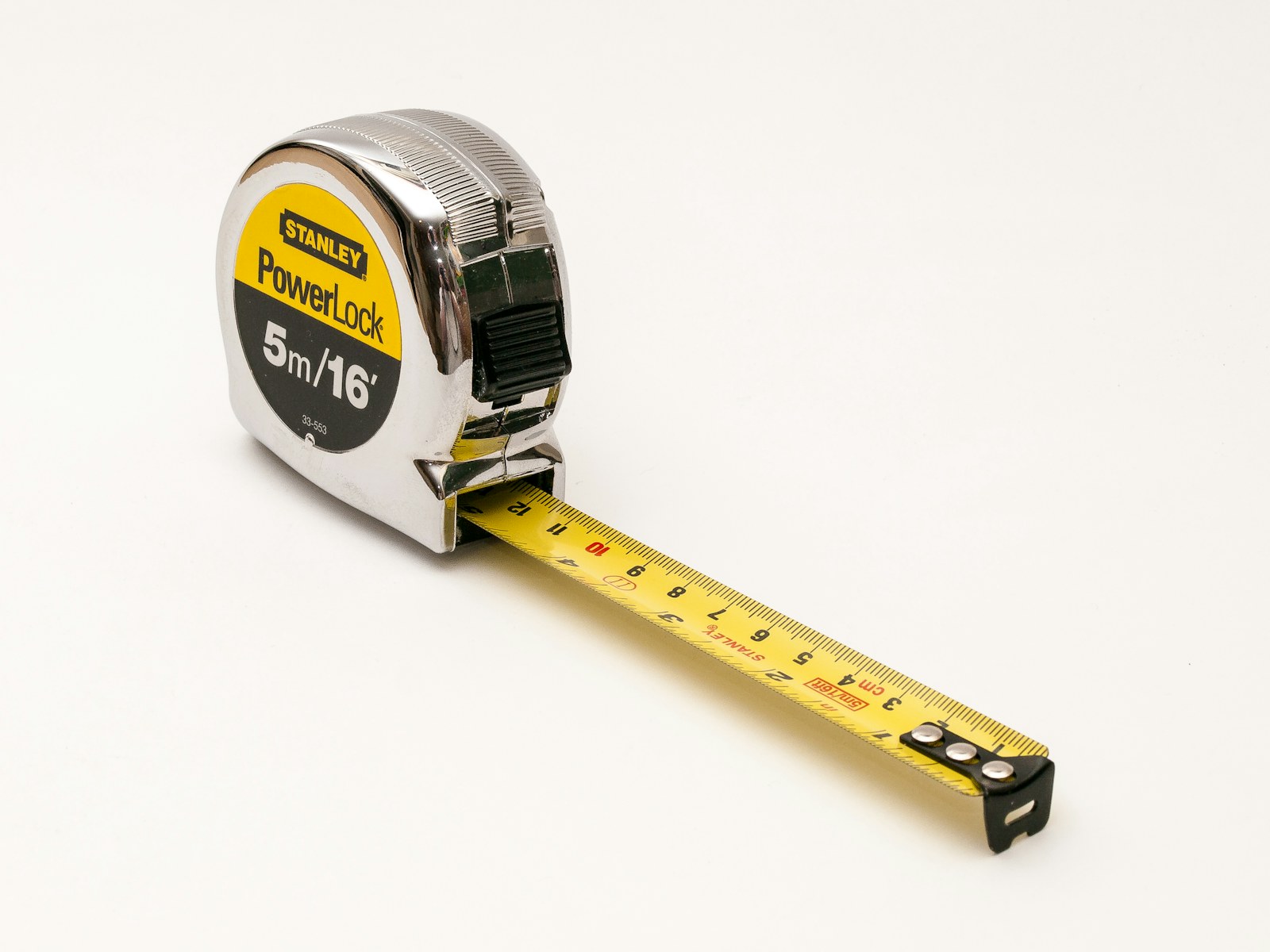
Measured with a ruler.
Three more base units complete the set of seven:
- Electric currentampereA
- Amount of substancemolemol
- Luminous intensitycandelacd
Combine base units to describe more:
Scale up · scale down
A ladder of prefixes
Prefixes keep very large and very small measurements easy to read. Slide along the ladder to see how each step changes the base unit.
Prefix
base—10⁰Conversion lab
Same amount, new unit
Moving to a smaller unit makes the number larger. Moving to a larger unit makes the number smaller.
1543 mm and 1.543 m describe the same amount.